November 3, 2026 · Well Dealt
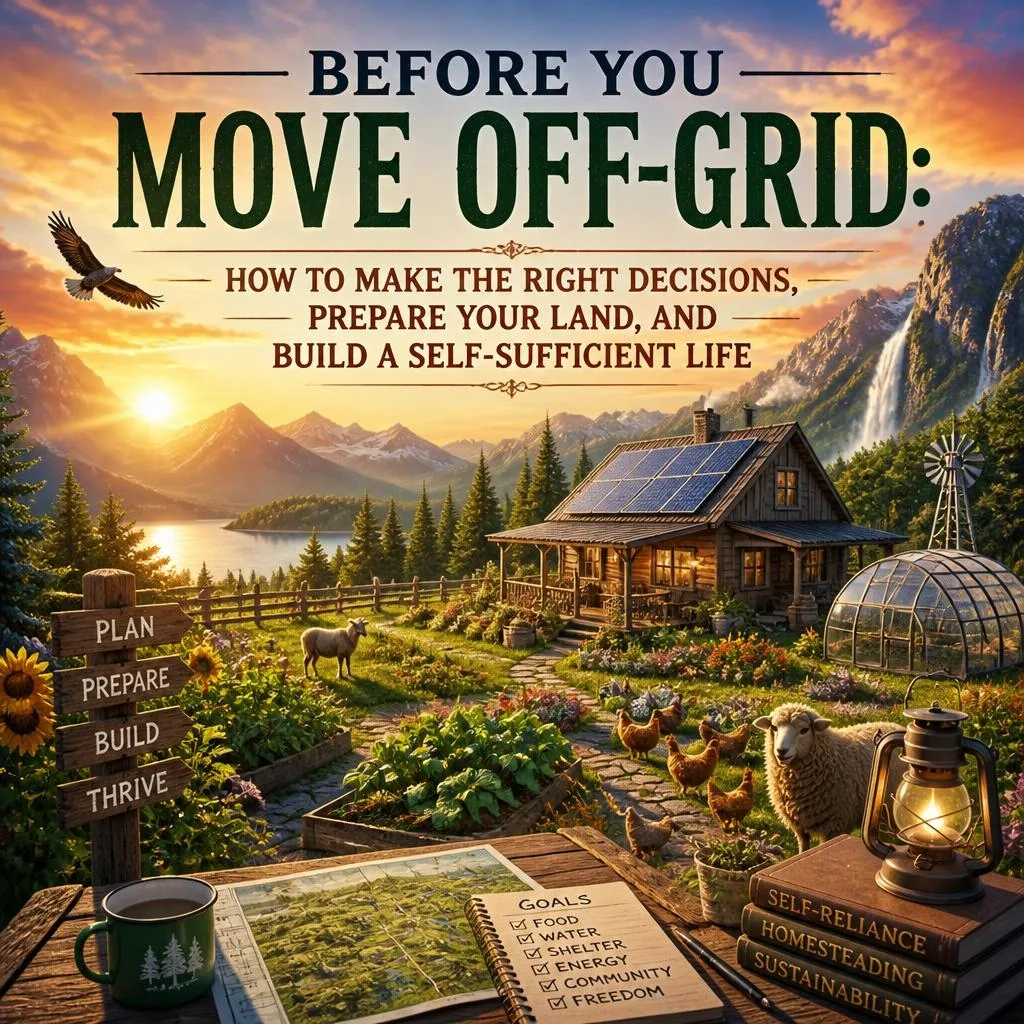
Before You Move Off-Grid: How to Make the Right Decisions, Prepare Your Land, and Build a Self-Sufficient Life
Before You Move Off-Grid: A Beginner's Guide to Preparing for Self-Sufficient Living
Dreaming of owning land, generating your own power, collecting your own water, and living a more independent lifestyle? Moving off-grid can be incredibly rewarding, but success starts with making the right decisions before you buy land, purchase equipment, or make the move.
Whether you're starting a homestead, developing raw land, building an off-grid cabin, or pursuing complete self-sufficiency, proper planning can save you thousands of dollars and prevent costly mistakes.
Here's what you need to consider before getting started.
1. Choose the Right Property
Not all land is suitable for off-grid living. Before purchasing, investigate:
Water availability, wells, groundwater, and rainwater collection potential.
Solar exposure and available sunlight.
Soil quality and gardening potential.
Road access and property easements.
Drainage, terrain, and building locations.
Zoning, building permits, septic requirements, and water rights.
Wildfire, flood, and extreme weather risks.
Tip: Visit the property, research county regulations, and have water, soil, and building feasibility evaluated before purchasing.
2. Establish a Reliable Water Supply
Water should be one of your first priorities. Plan for drinking, cooking, bathing, gardening, and household use.
Essential equipment includes:
Rainwater harvesting and gutter collection systems.
Large-capacity water storage tanks.
Well pumps and water pressure systems.
Water filtration and purification equipment.
Irrigation and backup water storage.
How to start: Determine your daily water needs, investigate well and rainwater options, calculate potential rainfall collection, and install appropriate filtration and storage. Always plan for backup water during dry seasons.
3. Plan Your Solar Power System
Renewable energy is a major part of off-grid independence. Before purchasing solar equipment, calculate your actual electricity requirements.
Consider:
Solar panels and mounting systems.
Lithium battery storage.
Inverters and charge controllers.
Solar generators and backup generators.
Outdoor solar lighting.
Energy monitoring equipment.
How to start: List your essential appliances, calculate daily electricity usage, and size your solar panels and batteries accordingly. Plan for cloudy weather and extended power outages.
4. Start Planning Your Food Production
Growing your own food takes time, so start small and expand as your property develops.
Consider purchasing:
Raised garden beds and greenhouse kits.
Seeds, fruit trees, and berry bushes.
Drip irrigation systems.
Composting and soil-building supplies.
Gardening tools and storage equipment.
Food preservation and canning supplies.
Tip: Test your soil, learn your growing zone, and begin with vegetables your household regularly eats. Add fruit trees, perennials, and larger gardens as you gain experience.
5. Plan Shelter, Sanitation, and Infrastructure
Before moving onto your land, determine how you will live and what infrastructure is legally permitted.
Plan for:
An off-grid cabin, tiny home, or approved dwelling.
Septic or approved wastewater systems.
Composting toilets where permitted.
Outdoor showers and hot water.
Cooking, refrigeration, and food storage.
Heating, cooling, and insulation.
Roads, drainage, fencing, and storage buildings.
Tip: Plan the placement of your home, well, septic system, and utilities together before construction begins.
6. Purchase Quality Tools and Equipment
Reliable tools make developing and maintaining land much easier.
Start with:
Chainsaw and safety equipment.
Shovels, rakes, digging tools, and wheelbarrow.
Cordless drills and construction tools.
Water hoses, plumbing supplies, and irrigation equipment.
Fencing and property maintenance supplies.
First-aid kits and emergency equipment.
Invest in durable equipment that can be repaired and maintained. Rent expensive machinery when possible until you know what your property requires.
7. Prepare for Emergencies
Off-grid living means being responsible for your own backup systems.
Prepare for:
Extended power outages.
Water pump failures.
Wildfires and severe weather.
Medical emergencies.
Equipment breakdowns.
Fuel and supply shortages.
Keep emergency food, water, first-aid supplies, fire extinguishers, backup lighting, communication equipment, and essential replacement parts.
8. Your Off-Grid Preparation Checklist
Before making the move, make sure you have addressed these essentials.
Land and Planning
Verify zoning, permits, and property access.
Evaluate soil, drainage, and building locations.
Investigate water availability and rights.
Research local climate and environmental risks.
Water and Energy
Establish a dependable water source.
Plan rainwater collection and storage.
Install appropriate water filtration.
Calculate electricity requirements.
Plan solar panels and battery storage.
Establish backup power.
Living and Food Production
Establish approved shelter and sanitation.
Plan heating, cooling, and cooking.
Prepare garden space and irrigation.
Purchase seeds and food storage supplies.
Establish composting and food preservation.
Safety and Maintenance
Stock emergency food and water.
Purchase first-aid and fire safety supplies.
Prepare essential tools and equipment.
Establish emergency communication.
Create a maintenance and repair budget.
9. Build Your Homestead in Phases
You don't need to accomplish everything at once. The smartest approach is to develop your property gradually.
Phase 1: Establish the Basics
Land access and preparation.
Water collection and storage.
Basic shelter and sanitation.
Solar power and backup electricity.
Phase 2: Build Self-Sufficiency
Gardens and greenhouses.
Irrigation and composting.
Food storage and preservation.
Expanded water and battery storage.
Phase 3: Expand Independence
Larger renewable energy systems.
Additional water storage.
Livestock and fencing.
Advanced food production and property infrastructure.
Always test your systems before relying on them full-time, and maintain a financial reserve for unexpected expenses.
Final Thoughts: Prepare First, Move Second
Successful off-grid living isn't about buying everything at once. It's about making smart investments, developing practical skills, and building dependable systems that work together.
Prioritize land, water, power, shelter, sanitation, and food production. Choose quality equipment, plan for emergencies, and expand your homestead as your needs grow.
Start with a plan. Build one system at a time. Invest in your independence.
Your journey toward self-sufficient, sustainable, off-grid living starts with the decisions you make today.